Research

I study black-hole accretion, plasma turbulence, and stellar kinematics with simulations, machine learning, and observations.

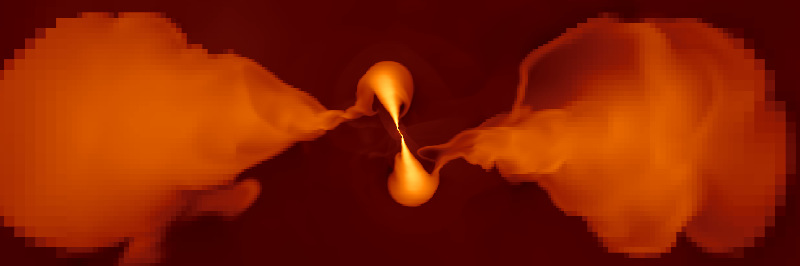
Numerical visualization of an accretion flowOpen full-size figure
Hydrodynamic simulations

Black-hole accretion across scales

Current galaxy simulations reproduce accretion-flow morphology at galaxy and event-horizon scales, but the dynamics between the Bondi radius and the outer edge of the accretion disk remain poorly understood. I address this gap with a suite of zoom-in hydrodynamic simulations of multiphase accretion flows and jet feedback motivated by observations of M87. These results provide boundary and initial conditions at the horizon scale for future GRMHD simulations and more accurate subgrid models for cosmological simulations.
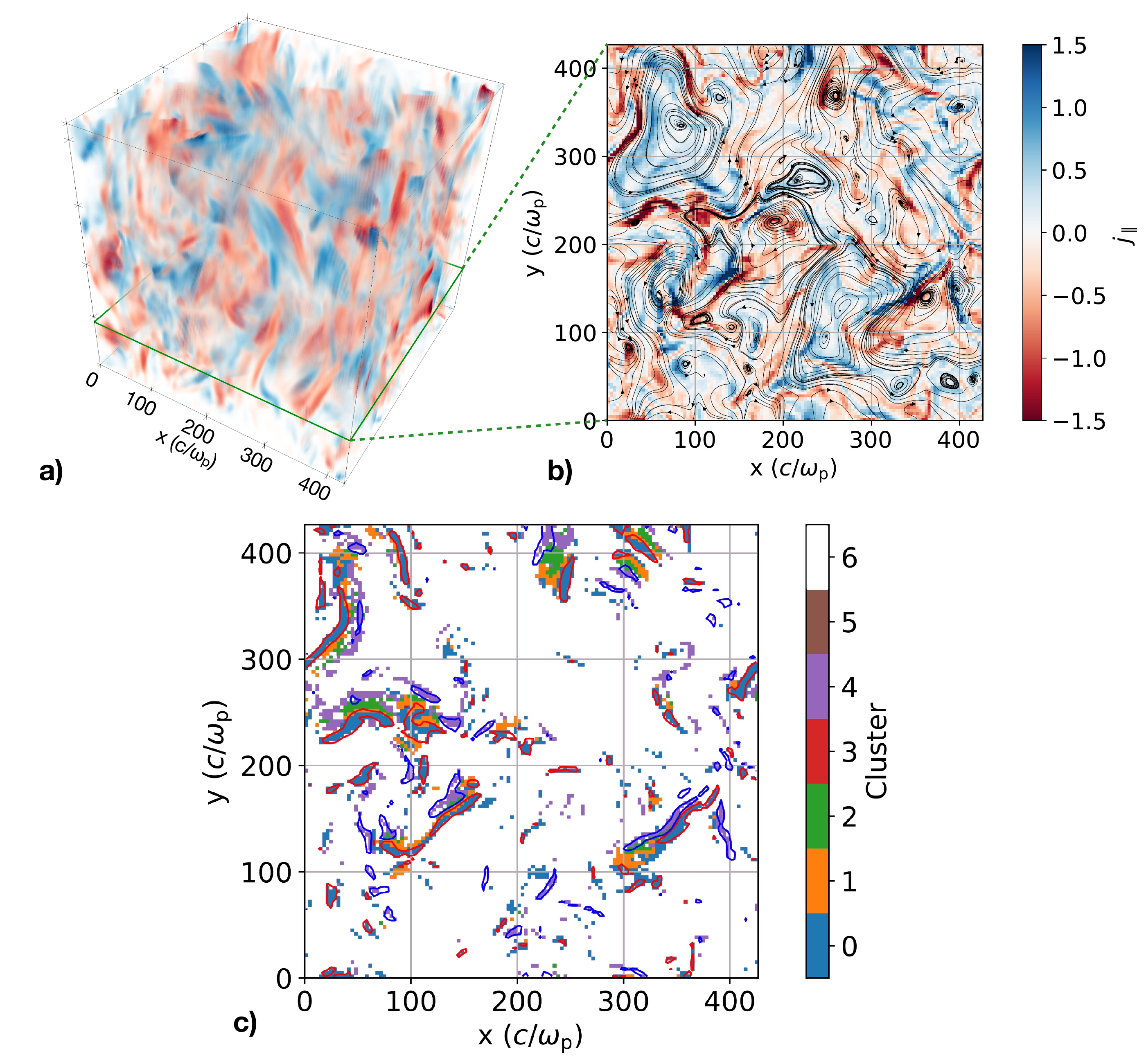
Current sheets segmented in a three-dimensional plasma simulationOpen full-size figure
Machine learning and software

Current-sheet segmentation with aweSOM

Magnetohydrodynamic turbulence is common throughout the universe. In strongly magnetized regions, intermittency forms current sheets. These sheets can undergo tearing-mode instability, driving magnetic reconnection, which contributes to plasma heating and non-thermal particle acceleration. As a predoctoral fellow at the Simons Foundation, I developed aweSOM to segment and track current sheets in three-dimensional plasma simulations with self-organizing maps. In test cases, aweSOM effectively segments current sheets across simulation snapshots.

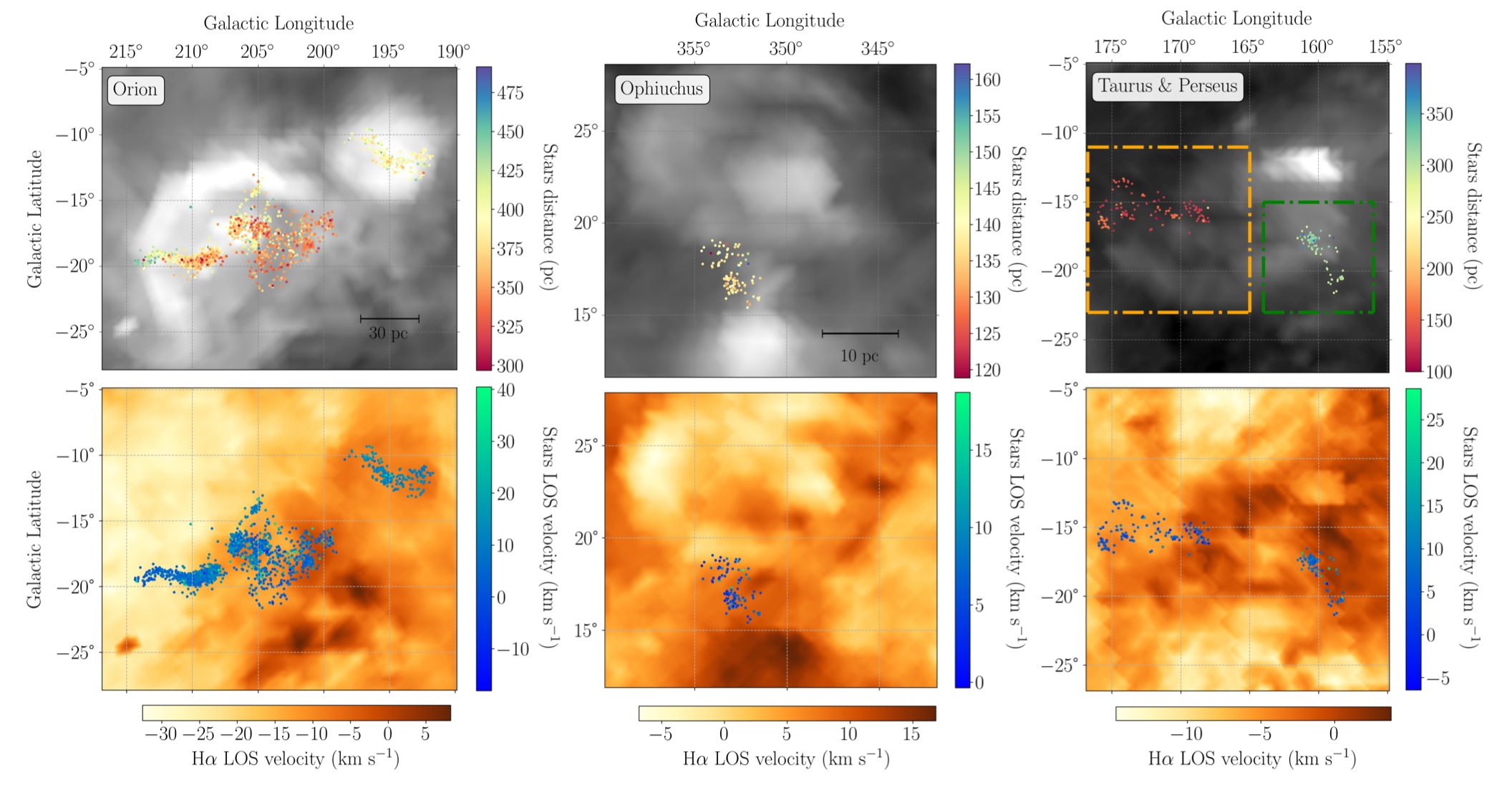
Maps of young stars and gas in nearby star-forming regionsOpen full-size figure
Observations and inference

Stellar turbulence in nearby clouds

Stars form in the turbulent molecular gas of the interstellar medium. After they form, they decouple from the surrounding gas but retain their prenatal kinematics. Using Gaia astrometry and APOGEE-2, we calculate velocity structure functions for young stars in four nearby star-forming regions and compare them with those of Hα and CO gas. We found a common turbulence scaling across the four regions, along with evidence of local supernova energy injection in Orion and Ophiuchus.

Other research

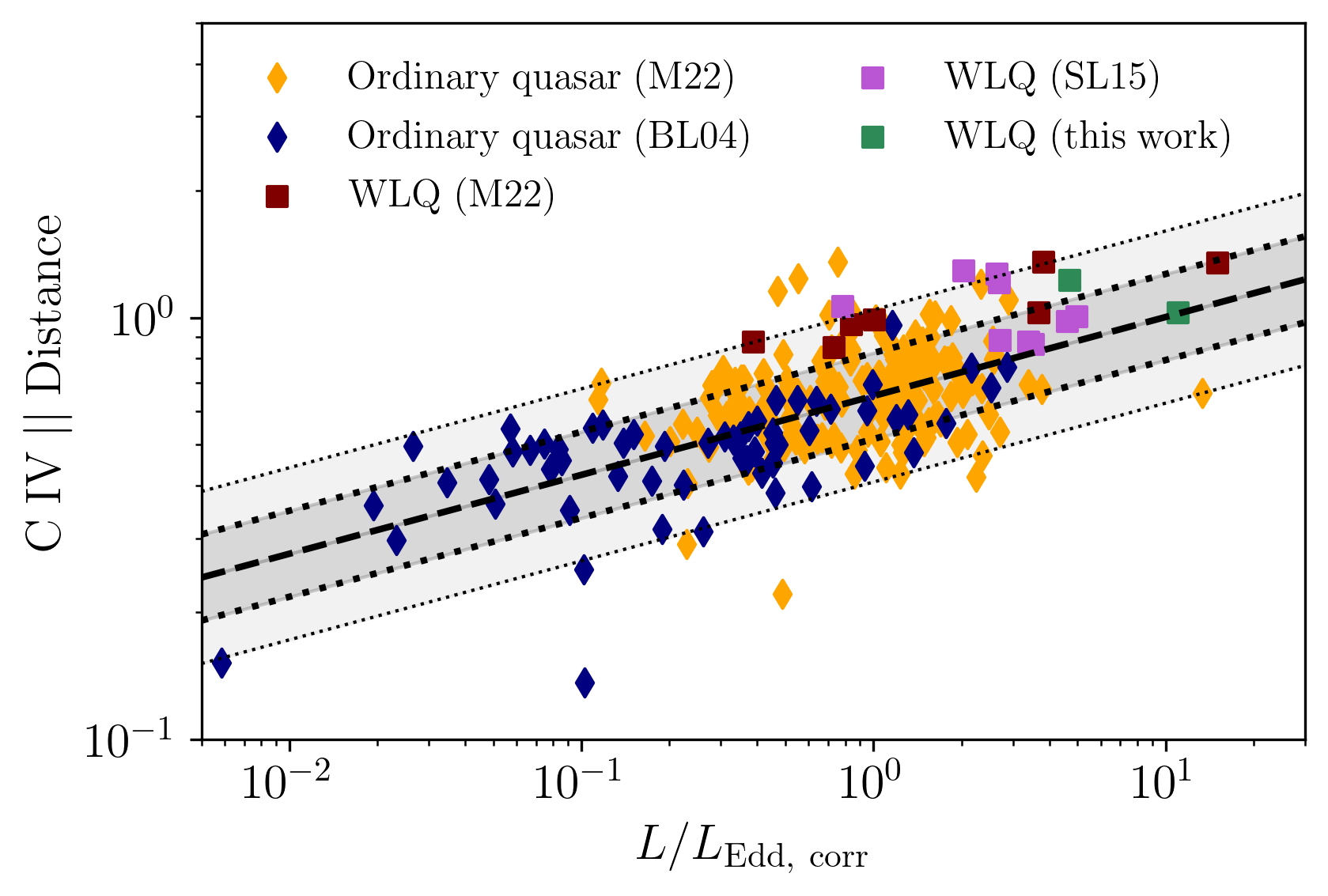
Chart showing a relation among quasar emission-line properties

Weak-line quasars

Weak-line quasars are a subset of luminous active galactic nuclei whose spectra show unusually weak Lyα + N V λ1240 emission, C IV λ1549 emission, or both. My work presented evidence pointing to a high-dimensional correlation between quasar C IV spectral properties and accretion rate, effectively uniting the WLQ subset with the wider Type 1 quasar population.

Read paper
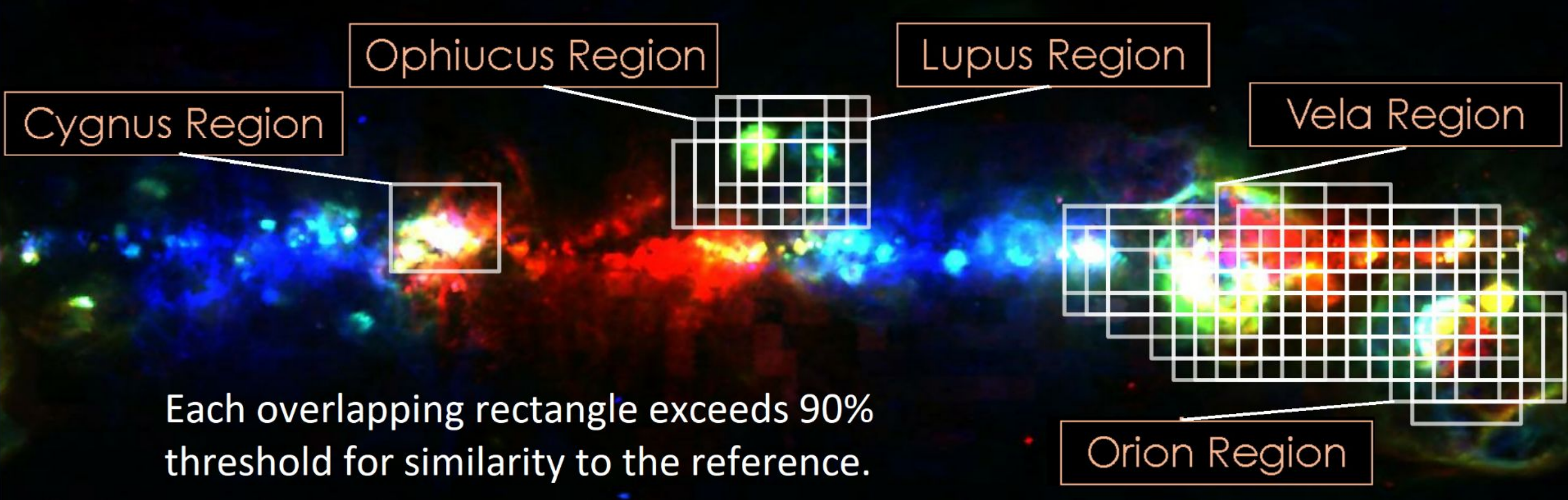
Milky Way H-alpha map with highlighted similar regions

Neural style transfer

I helped M.S. students in the AI summer program at UNT apply the pretrained VGG-19 network to Milky Way maps from the Wisconsin H-Alpha Mapper survey. Using the Orion Molecular Cloud Complex as a reference, neural style transfer identified other star-forming regions in the Milky Way. The method offers a quick way to identify targets for future sky surveys.

Project poster · PDF
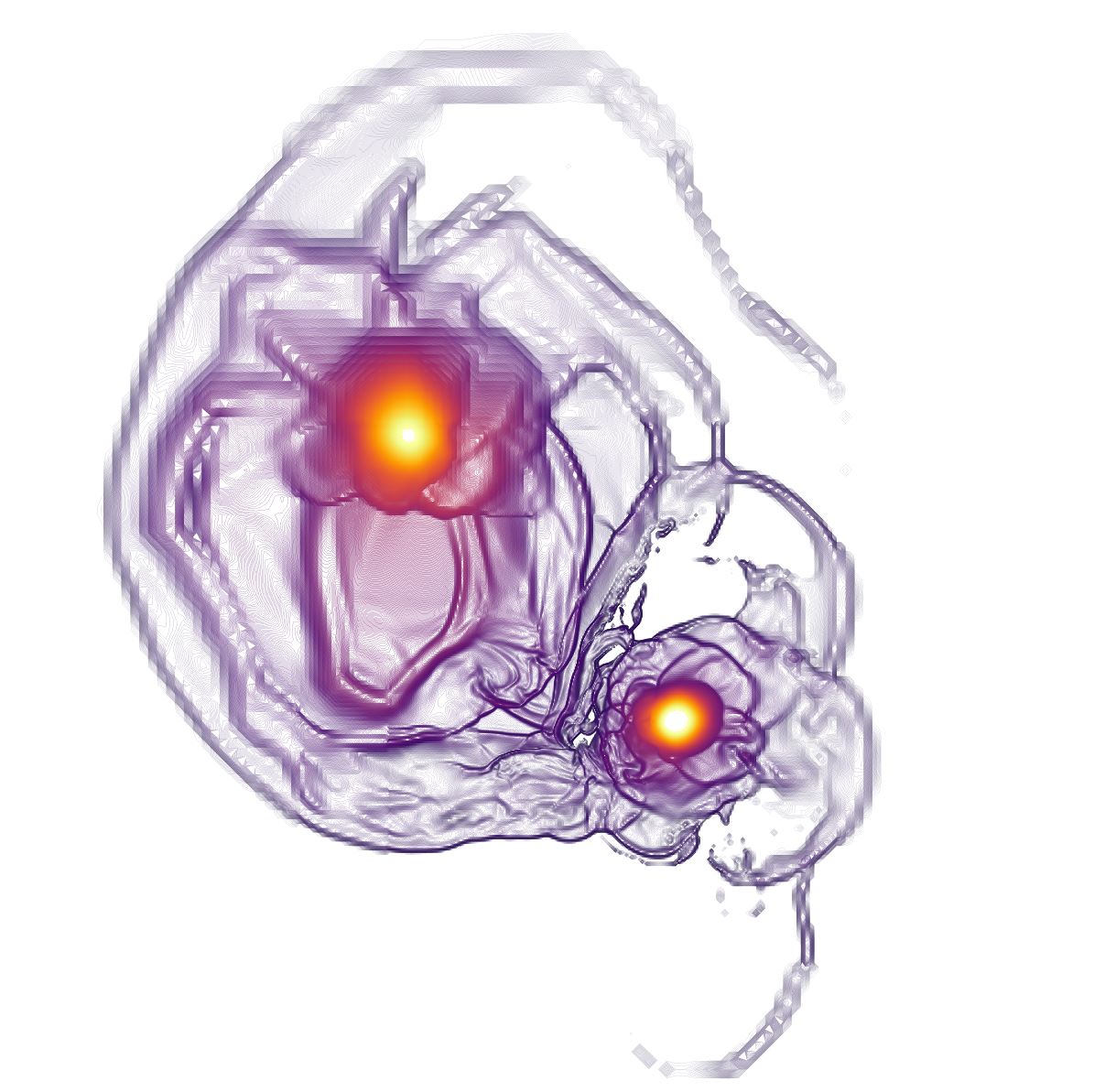
Density contours from a binary neutron-star simulation

Binary neutron stars

As an undergraduate research student at RIT's Center for Computational Relativity and Gravitation from 2018 to 2020, I modified and documented the LORENE initial-data code to generate physically motivated binary neutron stars before merger. I also ran GRMHD simulations with the Einstein Toolkit and presented the results at the 2019 Midwest Relativity Meeting in Grand Rapids, Michigan.

Presentation · PDF